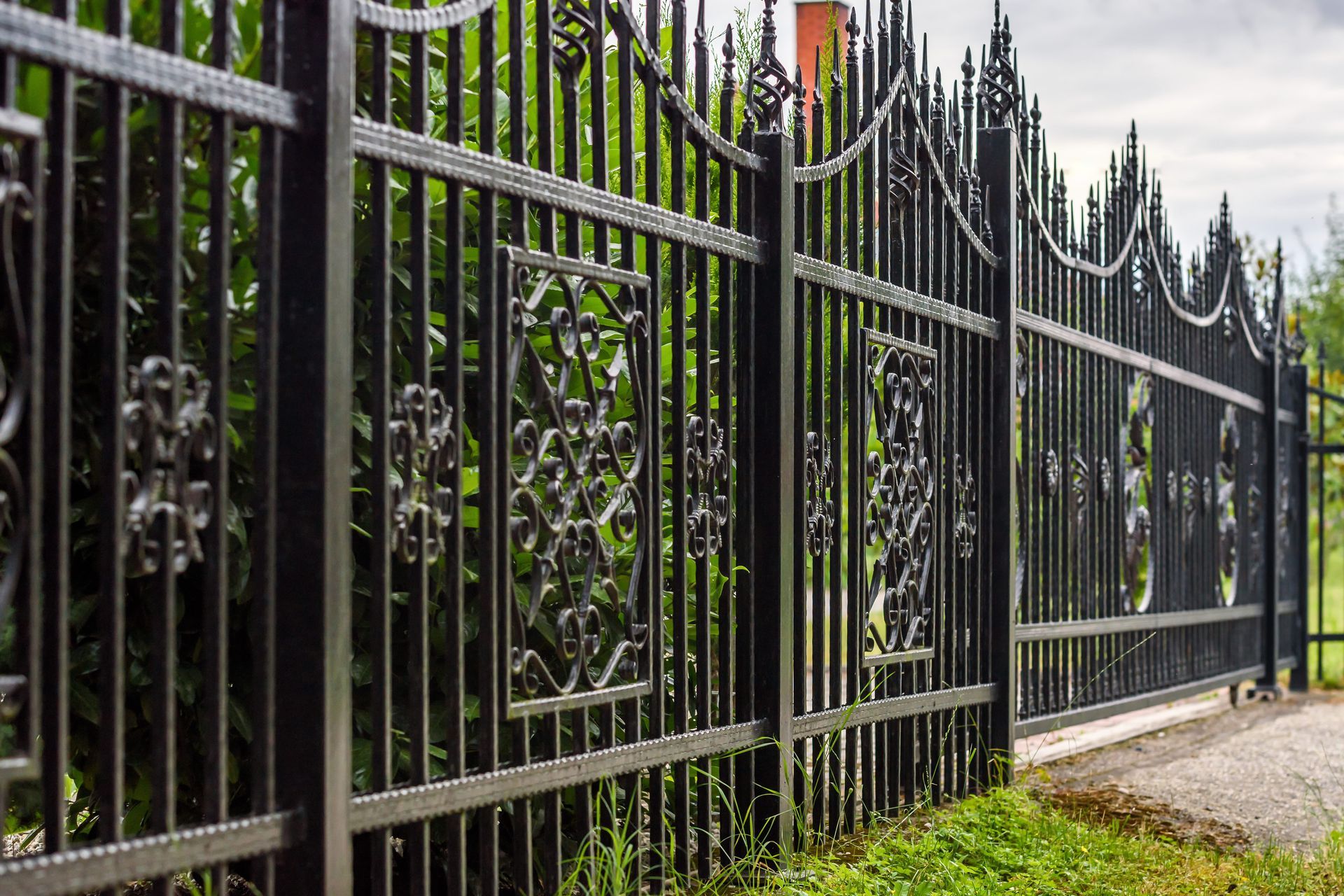
How to Maintain Ornamental Railings Through a Western NY Winter
Keeping ornamental railings in good shape through a Western New York winter takes more than a quick rinse in spring. Tonawanda, NY, homeowners face heavy lake-effect snowfall, road salt spray, and repeated freeze-thaw cycles that work their way into any surface imperfection. Understanding how these conditions affect ornamental railings is the first step toward keeping them performing at their best year after year.
How Do I Maintain Ornamental Iron Railings in Winter?
Consistent seasonal care is the most effective way to protect ornamental railings through a Western NY winter. Salt-laden air and ice can cause surface oxidation faster than most homeowners expect. A simple routine of inspecting, cleaning, treating, and coating can add years to your railing's lifespan.
Pre-Winter Inspection Checklist
A quick inspection in October or early November gives you time to address small issues before they worsen. Walk the full length of each railing and look for:
▸ Flaking or bubbling paint, which may signal rust developing underneath.
▸ Surface rust spots, especially near mounting points and welds where moisture collects.
▸ Loose fasteners or wobbly sections — freeze-thaw cycles can widen these into structural gaps.
▸ Debris in decorative scrollwork where water can pool and sit.
Catching problems before the first hard freeze makes repairs faster and less costly.
Rust Treatment Steps
Surface rust should be addressed before temperatures drop below freezing. Once ice forms in a rust pocket, it expands and pushes damage deeper into the metal. Follow these steps:
1. Use a wire brush or fine-grit sandpaper to remove loose rust and flaking paint.
2. Wipe the area clean with a dry cloth.
3. Apply a rust-inhibiting primer to any bare metal before further moisture exposure.
4. Allow the primer to fully cure before applying a topcoat.
Even a small unprimed patch can become a larger rust problem by March.
What Coating Works Best in a Freeze-Thaw Climate?
A quality exterior-grade paint formulated for metal is the right choice for ornamental railings in Tonawanda, NY, where temperatures can swing 40 or more degrees within a single week. Oil-based metal paints tend to form a harder, more moisture-resistant film than water-based options, which matters in WNY's wet winters. Apply coatings in late fall before sustained freezing temperatures arrive, as most paints require above-freezing conditions to cure properly.
Protecting Railings During the Winter Season
Even a well-coated railing benefits from mid-winter attention. Avoid using metal shovels or ice chippers directly against iron surfaces. Rock salt and chemical ice melts can collect at the base of posts and eat through protective coatings. Rinsing the lower sections of your railings with water on milder days can help reduce salt buildup before it causes damage.
Spring Touch-Up Tips
A spring walkthrough in April or May is just as important as the fall inspection. After a Tonawanda winter, look for any areas where the coating cracked, chipped, or peeled. Spot-treat these areas using the same wire brush, primer, and paint process described above. Addressing winter damage early prevents minor corrosion from deepening through the warmer months.
Keep Your Railings Looking Great All Year
Routine seasonal care makes a real difference for any property in the Tonawanda, NY, area. If your inspection reveals significant rust, structural damage, or paint failure beyond what a DIY touch-up can address, Bison Iron and Step offers professional assessment, fabrication, and installation of ornamental railings built for Western New York winters. Call (716) 893-5777 or contact the team online to request a free estimate.